Surface Studies — the quieter work
A counterweight to the bolder Hills & Sky landscapes. Surface Studies are abstract pieces that focus on texture, on a single dominant color, on the feel of a surface rather than the depiction of a scene. The studio's most contemplative work — and often its most surprising.
What the work is, and isn't
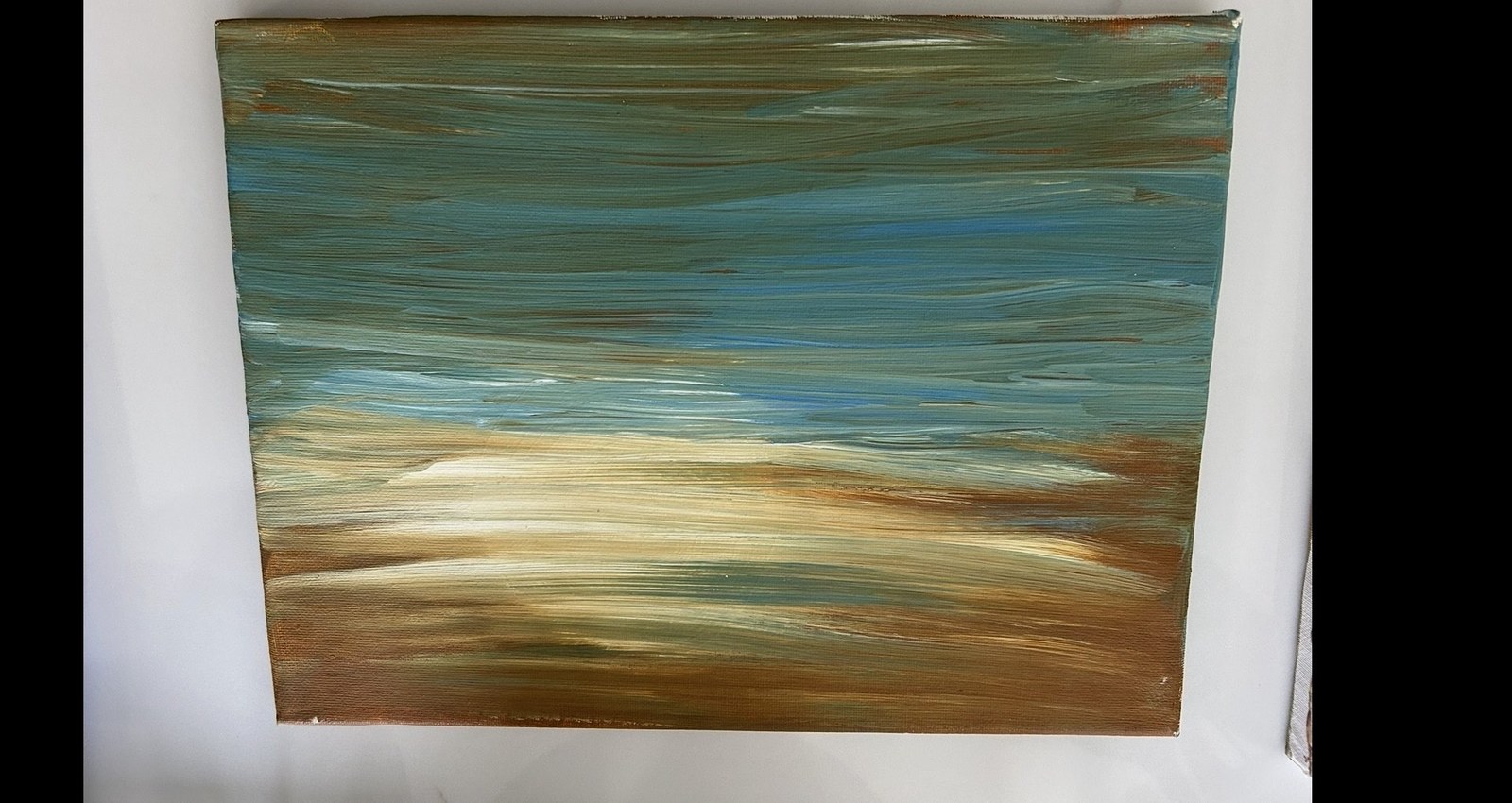
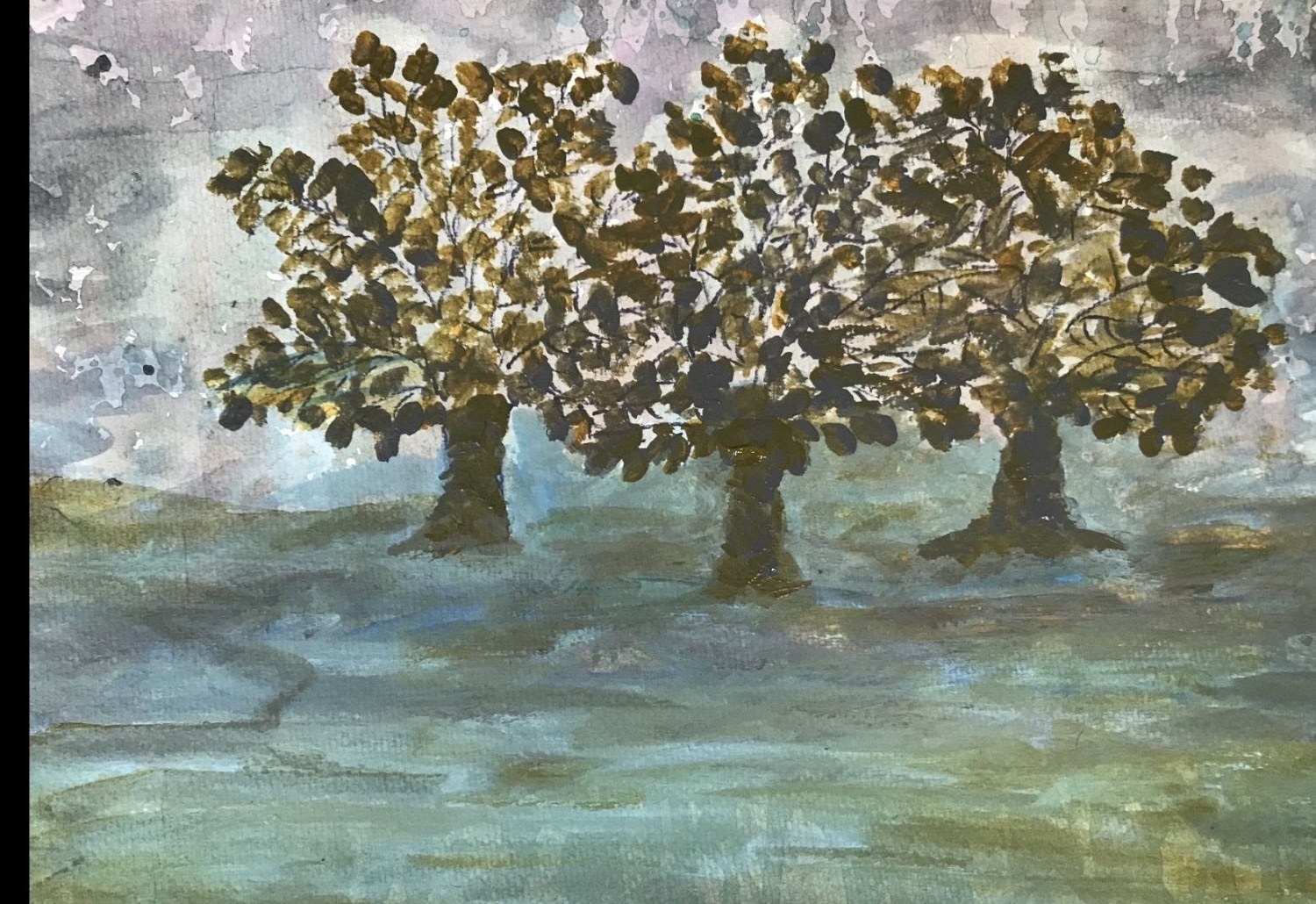
Surface Studies aren't paintings of anything in the usual sense. They aren't trying to look like water, or grass, or fog — though some of them inevitably do. What they're trying to do is sit on a wall and be a presence rather than a picture. To add a quality to a room — a quietness, a coolness, a warmth — without telling you a story.
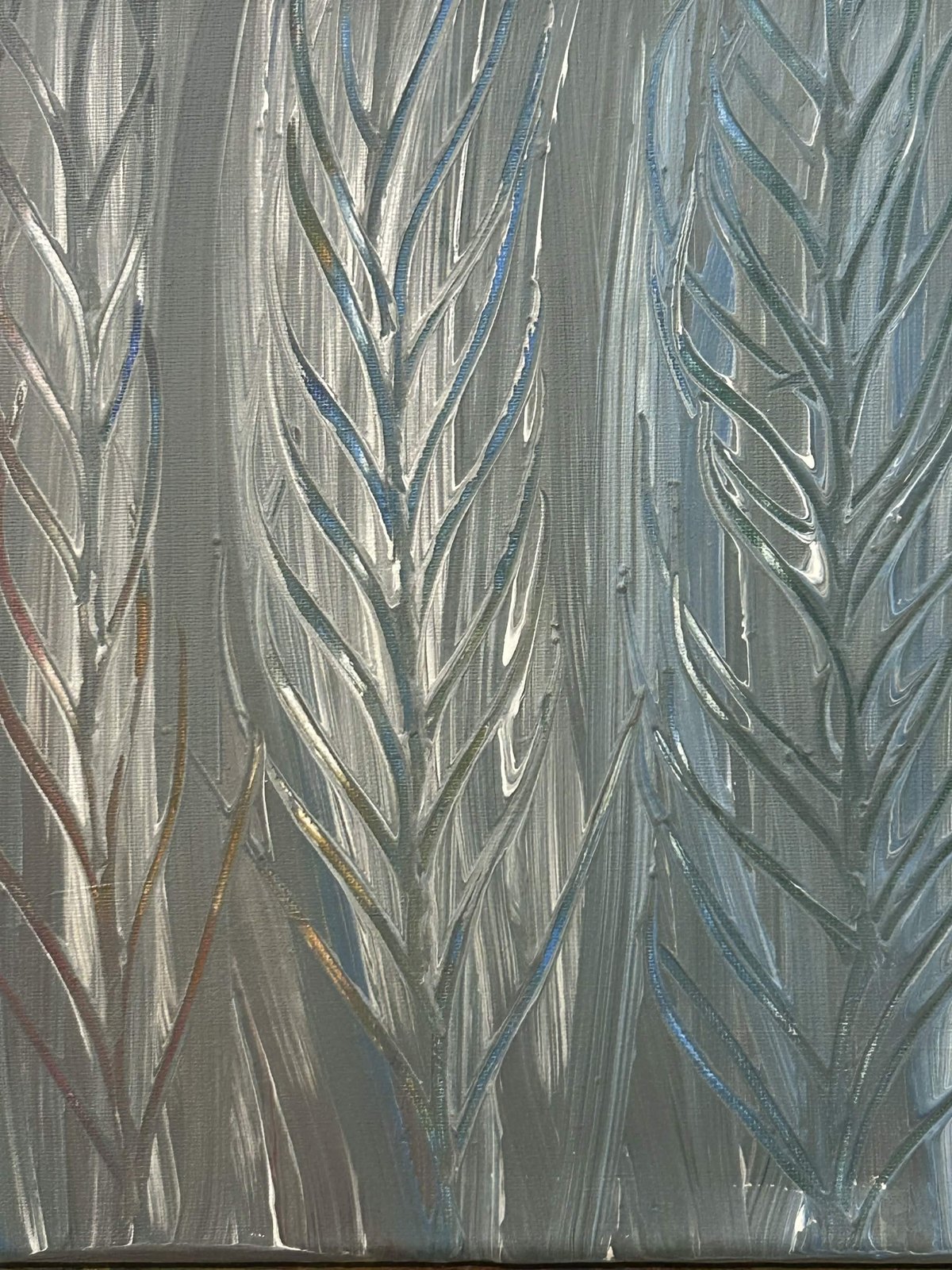
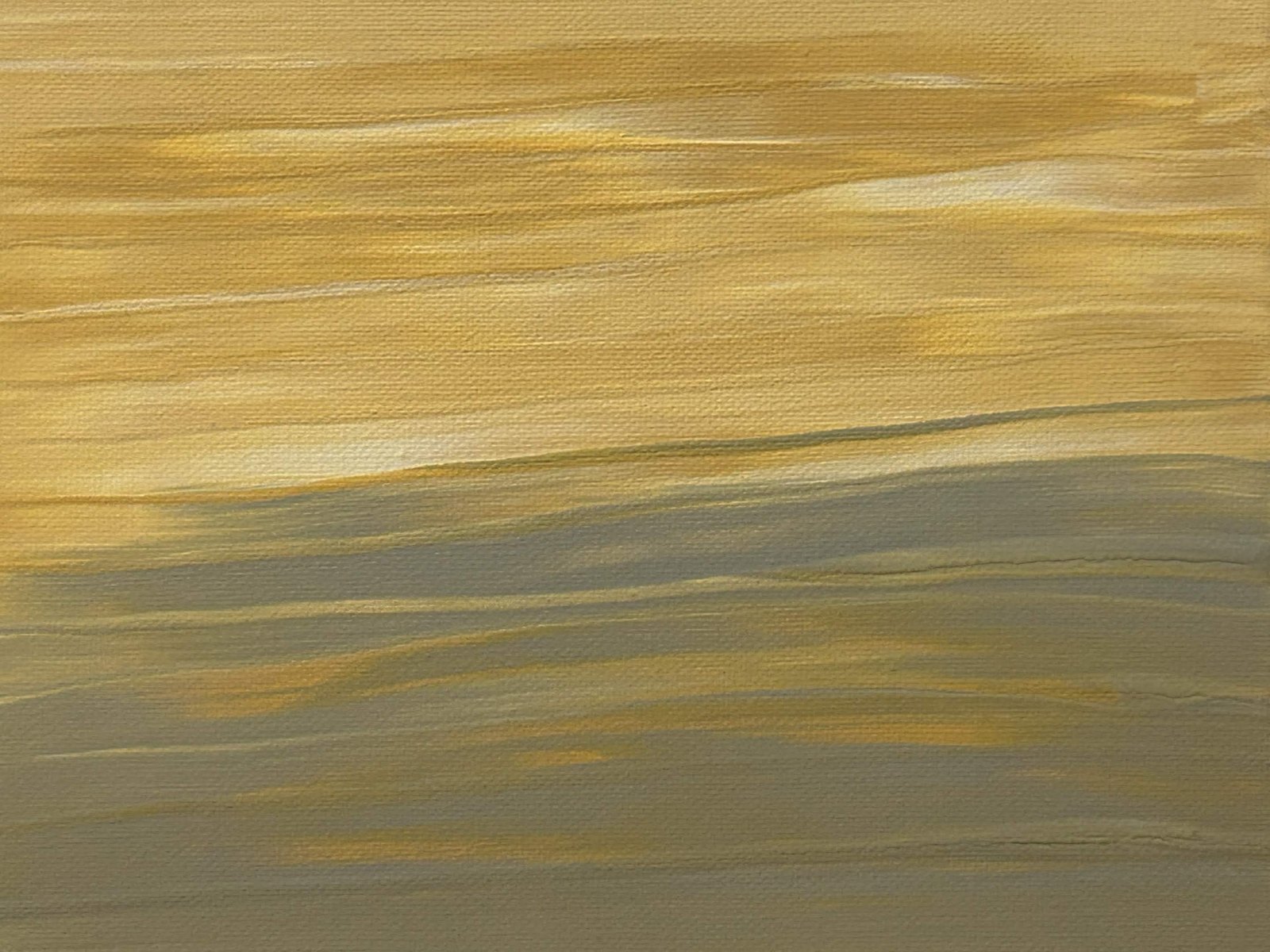
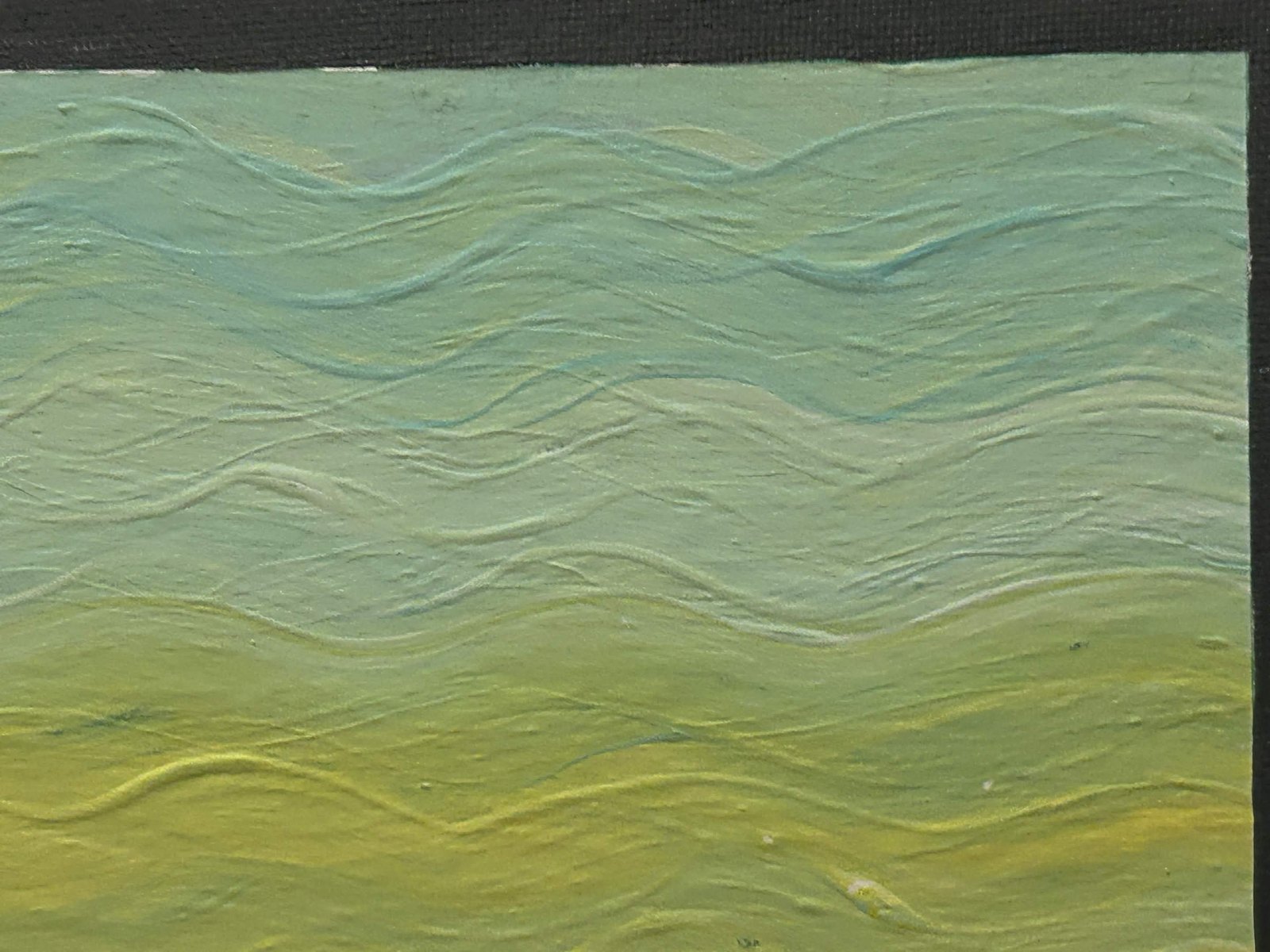
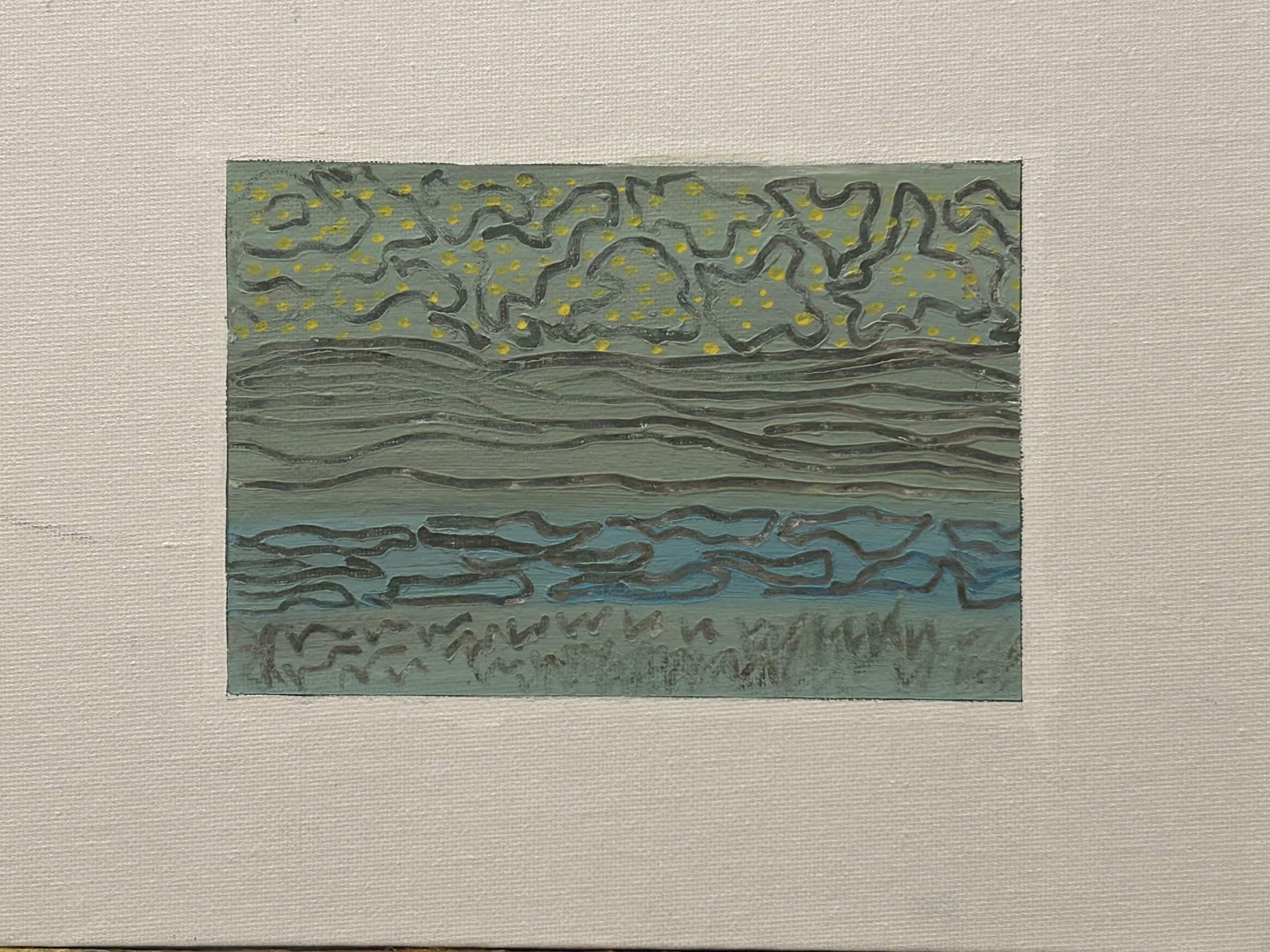
If Hills & Sky is the studio's outdoor voice, Surface Studies is its indoor voice. The pieces are smaller, mostly. The palettes are tighter, often monochromatic. The textures matter as much as the color. A piece like Silver Ferns — the painting at the top of this page — is built almost entirely from the rhythm of a palette knife dragged through wet acrylic; the color is almost incidental. A piece like Yellow Light is the opposite: smooth surface, all about the way two colors fade into each other in a particular way.
Who this series is for
- Collectors who already have a strong, colorful piece on a major wall and want a quieter painting for the bedroom, study, or hallway
- People drawn to mid-century abstract painting, color-field work, or contemporary minimalism — but on a more accessible scale and price point
- Designers furnishing rooms where the architecture or the textiles do the visual heavy lifting and the art needs to recede
- Buyers who want a piece they can live with for years without ever feeling tired of it — abstracts age more slowly than narrative landscapes
- Gift-givers looking for something more sophisticated than a typical decorative piece, especially for milestone professional gifts
How a Surface Studies piece actually gets made
These paintings emerge slowly. Most begin without a clear plan — a base layer of color, a surface decision (textured? smooth? built-up with a palette knife? feathered with a fan brush?) — and then build up over multiple sessions. The paint dries between layers; the texture compounds. A piece that ends up looking simple on the wall has often had eight or ten layers of work in it.
Slow process
Most pieces take weeks rather than days. The drying time between layers is part of the work, not an inconvenience.
Restrained palette
Rarely more than three colors per piece. Often just one dominant tone with subtle variation across it.
Texture as subject
The way the paint sits on the surface is the painting. Brushwork, palette-knife work, and even the canvas weave are visible.
Intimate scale
Most pieces are smaller than the Hills & Sky landscapes. The work invites you to step closer rather than view from across a room.
No edges hidden
The unpainted canvas border is often visible, deliberately. It's a signature of the studio: showing the work for what it is.
Built-up surfaces
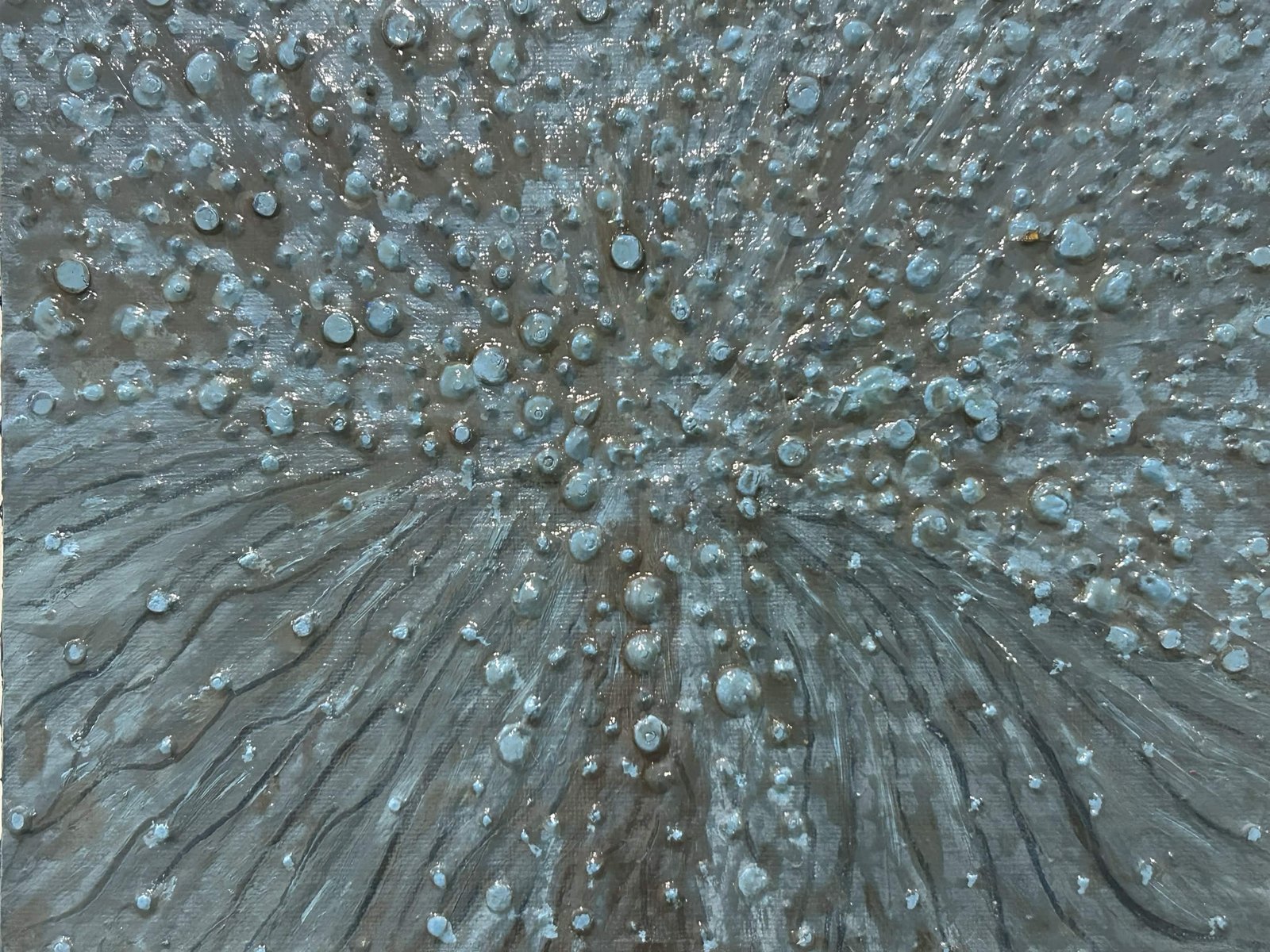
Some pieces incorporate impasto effects — paint thick enough to catch light differently from different angles in a room.
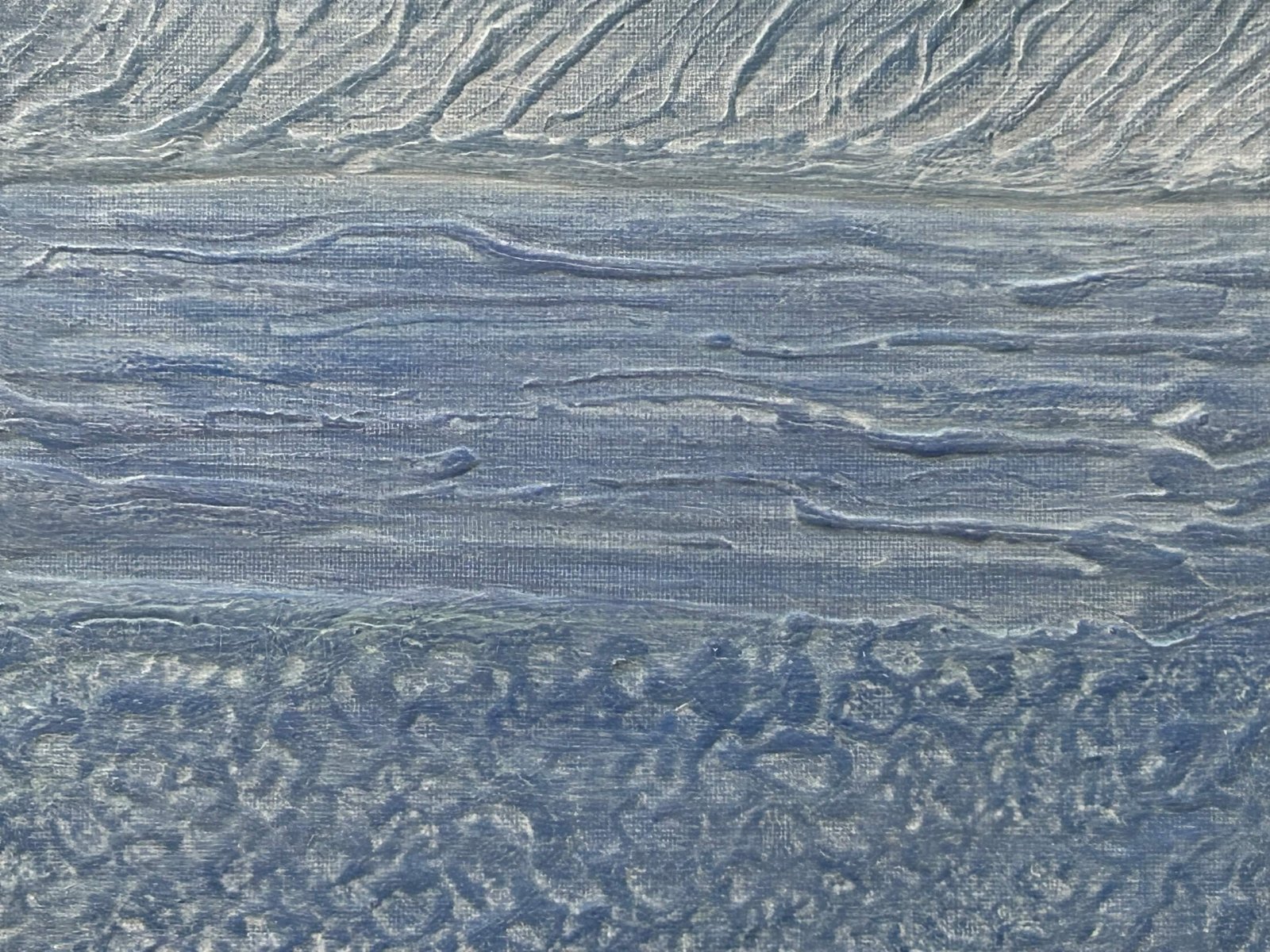
A few pieces from the series
On living with abstract work
People sometimes hesitate at abstract paintings because they don't know "what they mean." The honest answer is that meaning is something you bring to a piece, not something the piece comes with. A landscape painting tells you what to see. An abstract painting asks you what you see. That can feel like a lot of work — but it's also why abstracts age so well. They keep changing.
A Hills & Sky painting will look the same to you in ten years as it does today. A Surface Studies painting won't. The way the light hits it in the morning will reveal a texture you missed for months. A bad week will make it feel one way; a good day will make it feel another. The piece accumulates meaning over time the way a window does — not by changing, but by being there for everything that passes in front of it.
How a Surface Studies commission works
Commissions in this series are possible but take longer than Hills & Sky pieces, because the work itself takes longer. A typical Surface Studies commission runs 6-10 weeks from deposit to delivery. The process:
- Reach out with the size you're imagining, the room or wall, and a description of the mood — calm, quiet, warm, contemplative, brooding. Color preferences help.
- The studio replies with whether it's a fit, a likely timeline, and a quote.
- If you proceed, a 50% deposit holds your slot.
- Mid-process update happens around week 3-4, often with a question or two for you about direction.
- Final approval before shipping. Adjustments at this stage are limited but possible.
- Delivery typically 6-10 weeks after deposit, depending on the queue and the complexity.
Questions about Surface Studies
Find a piece for the quiet wall.
Reach out about a specific Surface Studies piece, or talk through a commission for a particular space and mood.
Get in touch →